During this holiday break, I decided to dive headfirst into the viral "Lollipop Girl" trend—that ultra-vivid, high-gloss, candy-coated aesthetic that has become the definitive "vibe" of the season.
Using my headshots as a base, I spent hours exploring the beauty of descriptive prompting. There is a certain "magic wand" quality to AI; having the power to arrange every detail in a professional-grade, stylized photoshoot is transformative. This process allowed me to "feel" the logic of the LLM in a new way—understanding how it translates my words into light, texture, and mood.
The Technical Snag
However, the fun hit an interesting snag when I tried to localize my "New Year" celebration creations. While the AI excelled at the complex lighting of the "Lollipop" aesthetic and the whimsical details of Stitch on a sleigh, it struggled significantly with Chinese characters (Hanzi).
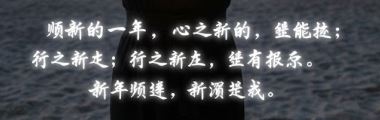
This experience highlighted a lingering gap in our 2026 Generative AI landscape:
- Visual vs. Verbal: A model can perfectly render the reflection on a lollipop but fail to write a simple four-character greeting like "新年快乐" (Happy New Year) without distorting the strokes.
- The "Alphabetical" Bias: While English text rendering is now standard, the intricate, non-alphabetical nature of Hanzi remains a challenge for many Western-centric models.
💡 Key Insight
It makes me wonder: How are you seeing LLMs handle other non-alphabetical or complex scripts? Is the "global" AI truly global yet?
Understanding the Limitations
The struggle with Chinese characters isn't just an isolated quirk—it reveals fundamental architectural challenges in current AI image generation models:
1. Training Data Imbalance
Most leading image generation models have been trained predominantly on Western datasets. This means they've seen millions of examples of English text in various contexts but far fewer examples of complex character systems like Chinese, Arabic, or Korean.
The result? The model understands the visual pattern of "text-like shapes" but doesn't truly comprehend the structural rules that make Chinese characters legible and meaningful.
2. Compositional Complexity
Chinese characters are fundamentally different from alphabetic systems:
- Stroke Order Matters: Each character follows specific stroke sequences that determine its visual balance and readability
- Radical Components: Characters are built from component radicals that must be correctly positioned and proportioned
- Spatial Relationships: Unlike linear alphabetic text, Chinese characters occupy square spaces with complex internal arrangements
An AI model that excels at rendering photorealistic lighting and textures may still struggle with these structural linguistic rules because they require a different type of "understanding."
3. The Tokenization Challenge
LLMs tokenize language into chunks for processing. While English words break down naturally into recognizable patterns, Chinese characters present unique challenges:
- Each character carries meaning independently
- Character combinations create new meanings
- Visual similarity between characters can confuse pattern recognition
What This Means for Global AI Development
This "Lollipop Girl" experiment revealed broader implications for AI development and deployment:
Cultural Representation in AI
As AI tools become increasingly integrated into creative workflows worldwide, the inability to accurately render non-Western scripts isn't just a technical limitation—it's a cultural accessibility issue. Users from Chinese, Arabic, Thai, Korean, and other non-alphabetic language communities face barriers that Western users don't encounter.
The Business Impact
For businesses operating in global markets, these limitations have practical consequences:
- Marketing Materials: AI-generated promotional content may require extensive manual correction for non-English text
- Localization Costs: What seems like an efficient AI solution may actually increase localization complexity and costs
- Brand Consistency: Inconsistent text rendering across markets can impact brand presentation and professionalism
⚠️ Important Consideration
Organizations expanding into Asian, Middle Eastern, or other non-alphabetic markets should evaluate AI tools specifically for their multilingual capabilities, not just their English-language performance.
Progress and Hope on the Horizon
Despite these challenges, the AI community is actively working toward more inclusive solutions:
Emerging Solutions
- Specialized Models: Region-specific AI models trained on diverse language datasets are emerging from companies in China, Korea, and other regions
- Hybrid Approaches: Some tools now separate text rendering from image generation, using specialized typography engines for complex scripts
- Expanded Training Data: Major AI companies are investing in more diverse training datasets that include better representation of global languages
- Community Contributions: Open-source projects are creating multilingual fine-tunes and adapters for popular models
Best Practices for Now
While we wait for more robust solutions, here are practical approaches for working with AI across languages:
- Separate Text and Image: Generate images without text, then add typography using professional design tools
- Use Specialized Tools: Look for region-specific AI tools that prioritize local language support
- Manual Quality Control: Always review AI-generated content with native speakers before publication
- Template Approach: Create reusable templates where text areas are clearly defined for manual insertion
Reflections on AI's Global Journey
This holiday experiment with the "Lollipop Girl" trend became an unexpected lesson in AI's current boundaries. While we celebrate the remarkable capabilities of generative AI—its ability to understand nuanced prompts, render complex lighting, and create stunning visual compositions—we must also acknowledge its limitations.
The question "Is global AI truly global yet?" deserves honest reflection. The technology is incredibly powerful, but it reflects the biases, priorities, and resources of its creators. For AI to genuinely serve global communities, it must:
- Expand training data to include diverse linguistic and cultural representations
- Develop specialized capabilities for non-alphabetic writing systems
- Involve international communities in model development and evaluation
- Recognize that "global" means more than translating English content
Looking Forward
As we move deeper into 2026, the AI landscape continues evolving rapidly. The challenges I encountered with Chinese character rendering will likely be addressed—perhaps even solved—in the near future. But this experience serves as a valuable reminder: technology advancement isn't just about capability; it's about accessibility and inclusion.
For business leaders and technology decision-makers, this means:
- Evaluating AI tools through a global lens, not just Western performance metrics
- Building workflows that account for multilingual content creation challenges
- Supporting AI development efforts that prioritize linguistic diversity
- Maintaining realistic expectations about AI's current capabilities across languages
The "Lollipop Girl" craze taught me more than how to craft perfect candy-coated aesthetics—it revealed the beautiful complexity of human language and the ongoing journey of AI to truly understand and represent our diverse world.
Need Help with AI Implementation?
At Yiutech Solutions, we understand the complexities of implementing AI across global markets. Our team can help you navigate technical challenges, evaluate tools, and develop strategies that work for your multilingual needs.
Schedule a Consultation